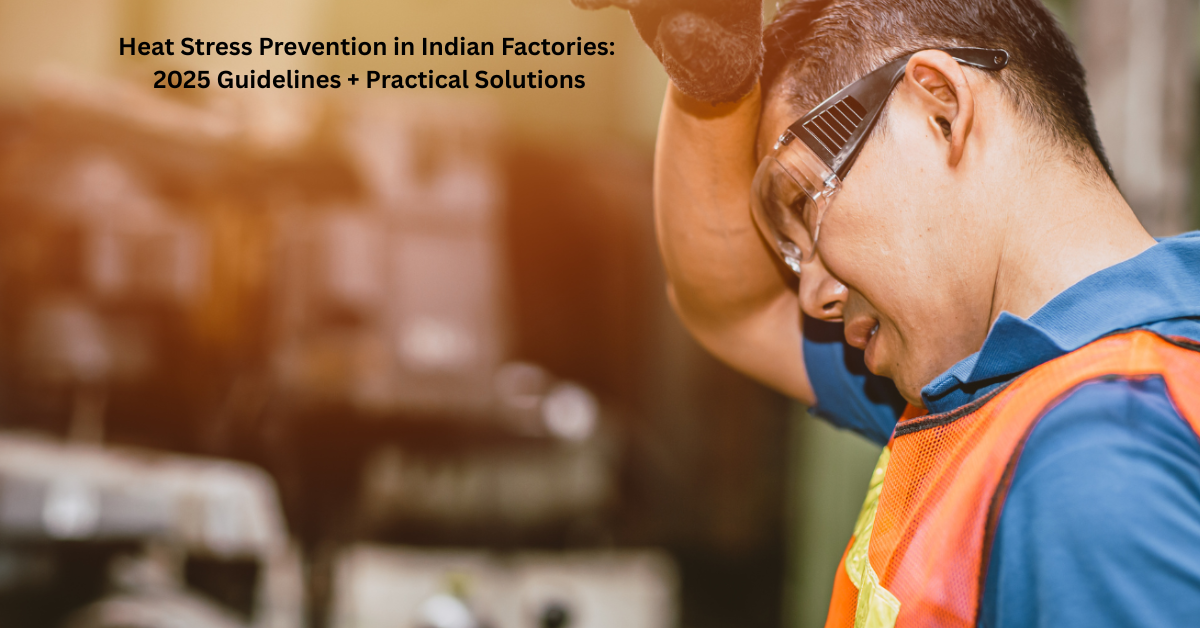
Heat Stress Prevention in Indian Factories: 2025 Guidelines + Practical Solutions: Heat Stress in the present time is more than just a seasonal inconvenience for Indian factories. Heat stress prevention is important to reduce occupational risk. When the temperatures are high, heatwaves are frequent, and industrial workloads are increasing, it becomes important to protect workers from heat stress. Protecting workers from heat stress is both a safety responsibility and a productivity necessity. When the body is unable to regulate temperature effectively due to prolonged exposure to high heat, humidity, and physical exertion, then heat stress occurs.
Down to Earth has published that the International Labour Organization has warned that more than 70% of workers in the factories worldwide are at risk of exposure to heat that can lead to significant threats to safety and health.
Science Direct says that heat stress factors can harm the health of the workers and their productivity.
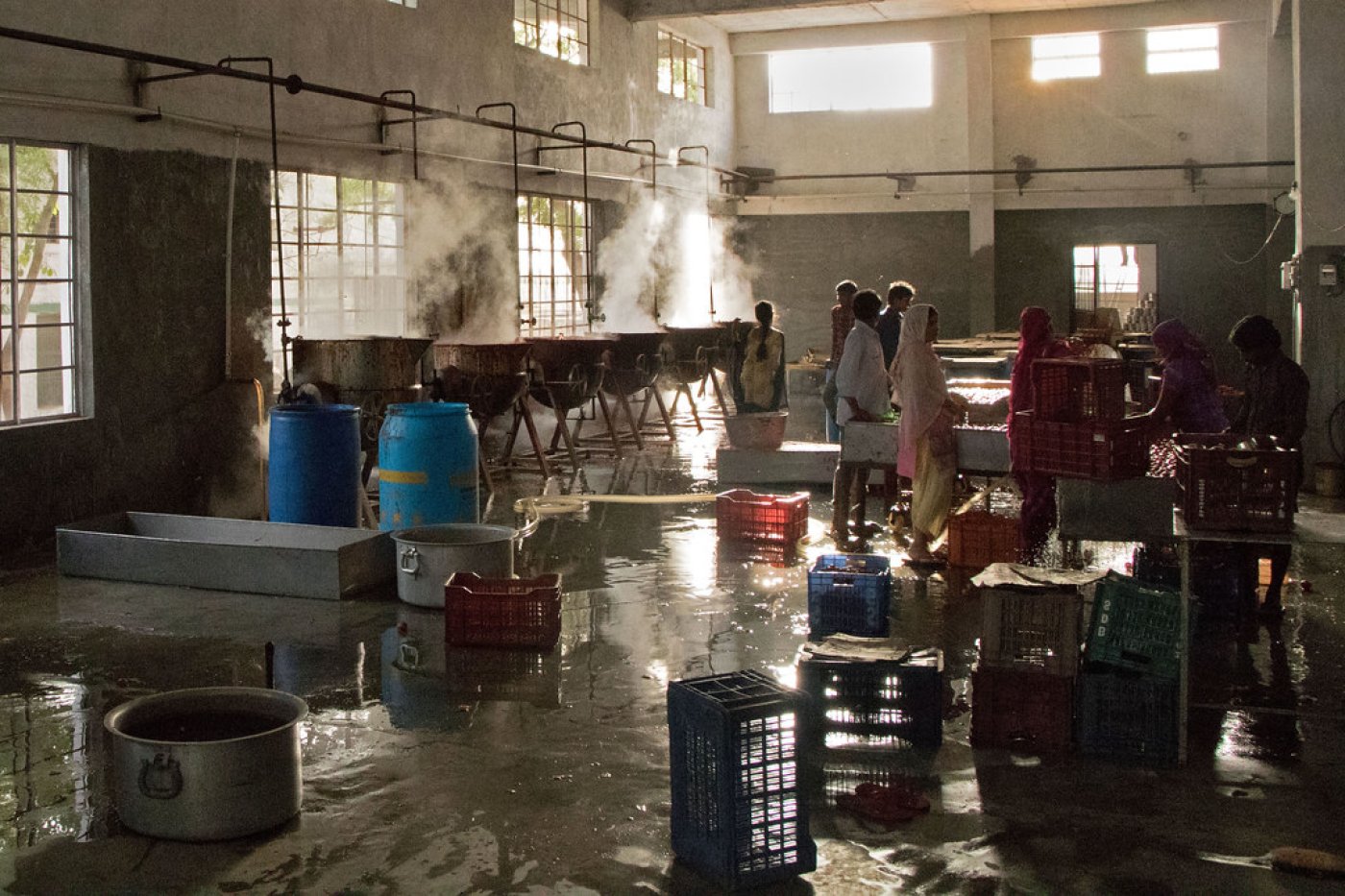
In hot climates like India, factory workers are among the most vulnerable as they have to do long shifts in the enclosed spaces in heat emitting machinery. In this blog, we will get to know heat stress prevention in Indian factories, why they matter, and what are the solutions that employers need to implement to protect workers while maintaining operational efficiency.
What are the Guidelines for Heat Stress Prevention in Indian Factories?
-
Work Schedules Should be Scheduled to Avoid Peak Heat
One of the most effective methods of scheduling work is to create flexibility in the daily schedules of factory workers to enable them to avoid peak heat times. This allows workers to recover from the effects of heat during their shifts by providing a means of maintaining a level of production without causing an interruption to their production schedules.
-
Continuous Access to Drinking Water
Continuous access to drinking water is important for hydration and protection from the effects of heat stress. Employees should drink large amounts of water during their entire shift, and employers should provide easy access to cool drinking water via several drinking fountain locations.
-
Shaded Rest Areas and Cooling Zones in Factories
Workers need shaded or cooled areas for resting and recovering during their breaks or lunch. Factories should provide air flow in those rest areas and provide protection from the sun or other heat-producing sources, to provide workers the opportunity to recover from heat stress. Short periods of time spent in a cooler environment can lower body temperature and minimize the potential for heat exhaustion turning into heat stroke.
-
Improve Ventilation and Airflow Throughout Factories
Proper ventilation is vital to minimize heat build-up caused by heated equipment and machines, poorly ventilated enclosed work areas, and enclosed machinery. To improve ventilation and airflow throughout the factory, employers may:
- Install exhaust fans to remove hot air
- Enhance natural airflow
- Use localized cooling near heat producing equipment.
Pro Tip: If you need exhaust fans for proper ventilation or airflow in your factories, you can contact
Bigvent Fans that is known to offer premium quality ventilation systems that can keep your space cool and ventilated.
Contact Bigvent Fans by calling +91 78618 67019.
With improved airflow, you can ensure reduced heat accumulation and stabilize indoor temperatures.
-
Emergency Heat Illness Supplies
Factories should stockpile any potential emergency heat illness materials in an area of the facility that is easily accessible to all employees. Examples of emergency heat illness supplies are: ice packs, oral replacement fluids, first-aid kits and cooling towels. The availability of emergency heat illness materials in manufacturing facilities can help to prevent minor heat stress from developing into a medical emergency.
-
Establish Buddy Systems for Monitoring Heat Stress in Workers and Rotate Tasks.
Developing buddy systems for workers allows them to monitor for the presence of heat stress indicators in one another. Task rotation facilitates the spread of heat exposure and the exertion required for workers, preventing working under sustained pressure for long hours. The buddy system and task rotation strategies are especially beneficial in high-heat areas and during peak summer periods.
-
Redesign Work-Rest Cycles Based on Work Lashed on Temperature: Humidity, Workloads.
Work-rest cycles must be designed based on workload, temperature and humidity. As temperatures rise, the frequency and duration of work-rest cycles should increase. Under extreme temperature conditions such as those which can cause severe adverse health impacts to employees, the level of production may be slowed temporarily in order to ensure the health and safety of workers.
Practical Guide: Heat Stress Solutions for Factory Environments
Heat stress prevention is more than just guidelines; factories can adopt practical and affordable solutions.
- Reflective roofing and insulation that can reduce radiant heat.
- Portable evaporative coolers for the work zones that remain hot.
- Misting fans can lower perceived temperature.
- Lightweight uniforms allow workers to work stress free and improve heat dissipation.
- Shade structures for outdoor work areas can help workers stay relaxed even on hot days.
These measures can be implemented in every sized factories.
Why Heat Stress Prevention Is Important for Indian Factories?
In factory environments in India, heat stress can be dangerous. Heat affected workers tend to experience multiple problems like slips, falls, machine handling errors, and delayed responses to hazards. When workers remain in this exposure for a long time, it can lead to chronic dehydration, kidney issues, and cardiovascular strain.
From a business perspective, heat stress can lead to:
- Increased absenteeism
- Higher accident rates
- Reduced output and efficiency
- Greater healthcare and compensation costs
As the climate conditions intensify, heat stress prevention becomes essential and a core part of workplace safety and sustainability.
Frequently Asked Questions for Heat Stress Prevention in Indian Factories
Q. Is it important to manage heat stress even in small factories?
Ans. Of course! No matter what the size of the factory is, it is important to provide safe working conditions to the workers and protect them from preventable heat related risks.
Q. What are the early signs of heat stress that need to be checked?
Ans. Supervisors in the factories should be trained to recognize the early symptoms of heat stress among the workers, such as dizziness, nausea, excessive sweating, muscle cramps, or confusion etc.
Q. Can regular health monitoring help identify heat stress symptoms among workers?
Ans. Yes. With regular health monitoring and visual reminders, you can help your workers identify their symptoms early and seek help before conditions become serious.
Q. With what liquids can simple water be replaced to prevent dehydration in Indian factories?
Ans. When the temperature or heat is excessive, electrolyte solutions or oral rehydration salts can be replaced with simple water to replace minerals lost through sweat and prevent dehydration related fatigue.
Q. What is the ideal time for heavy work and for rest breaks?
Ans. Early morning and late evenings can be the ideal time for heavy work, and mid day hours when there are peak hours of heat, the focus should be on lighter duties or rest breaks.
Q. What are the Benefits of Heat Stress Prevention?
Ans. Heat stress prevention in Indian factories can offer multiple benefits including:
- Healthier Workforce
- Higher Productivity
- Fewer Accidents
- Business Continuity